
Understanding spending patterns in gaming is essential for fostering player awareness and ensuring that gaming experiences remain enjoyable and responsible. When players recognize their own behaviors, they can make more informed decisions about how they engage with games, which not only protects them from overspending but also encourages a healthier approach to entertainment. Game developers and platforms play a crucial role in providing tools and insights that help players observe, reflect, and adjust their habits. By highlighting patterns, trends, and the potential consequences of certain behaviors, players can gain a clear understanding of where their money goes and how their decisions impact their gaming experience.
One of the primary ways spending pattern insight aids player awareness is through transparent reporting. Platforms can provide detailed breakdowns of purchases, including in-game items, subscriptions, and microtransactions. When players can see exactly how often they make purchases, the amounts spent, and the cumulative totals over time, they gain a clear picture of their engagement with monetary features. This transparency not only promotes accountability but also reduces the likelihood of surprise or regret, which often arises when players lose track of their spending. By equipping players with data, platforms empower them to take control of their gaming budgets.
Additionally, spending pattern insights can reveal behavioral triggers that lead to certain purchases. Players may notice correlations between in-game events, emotional states, or social influences and their spending habits. For example, they might recognize that they are more likely to buy premium items during competitive events or when friends encourage them to do so. Understanding these triggers helps players make conscious choices instead of acting on impulse. This self-awareness fosters a more deliberate and thoughtful approach to spending, reducing the risk of unintended financial consequences while also enhancing the overall gaming experience.
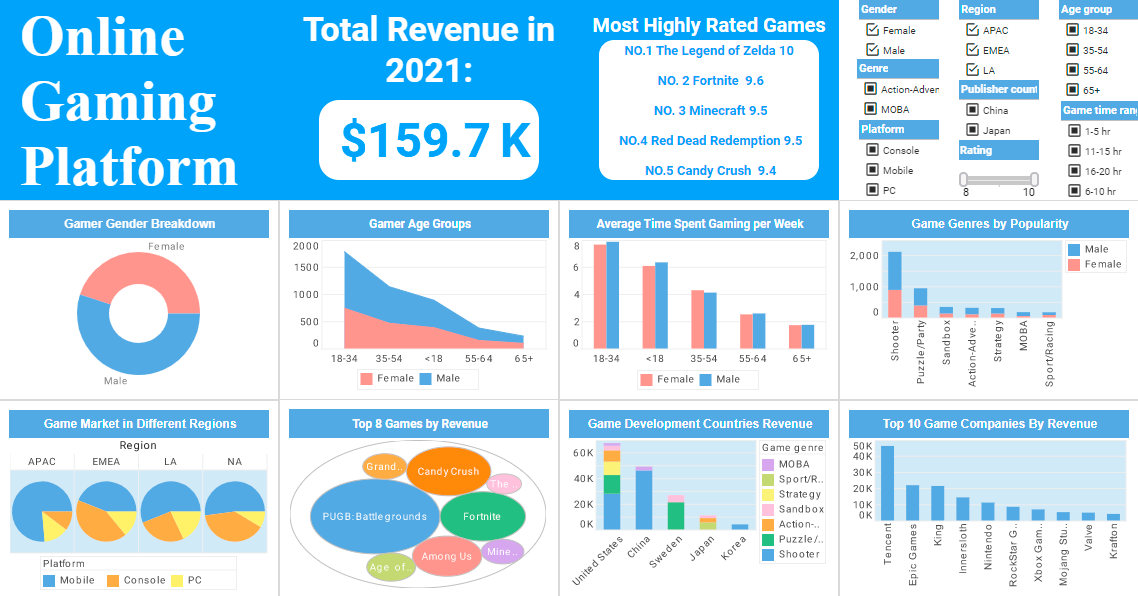
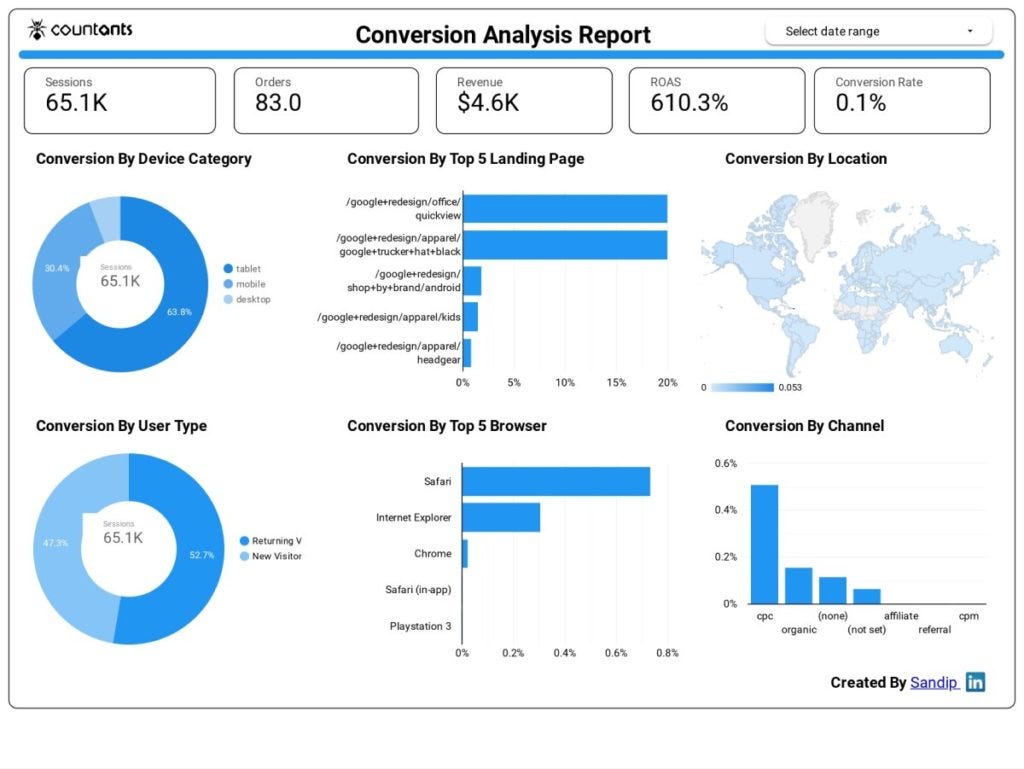
Game designers can integrate visual dashboards or reports that display spending data in an easily digestible format. Graphs, timelines, and summaries can illustrate how often purchases occur, what types of items are most frequently bought, and patterns over days, weeks, or months. These insights allow players to observe trends they might not have noticed otherwise. Seeing a spike in spending during certain periods can prompt reflection and encourage adjustments, such as setting limits or evaluating whether particular purchases are truly necessary for enjoyment. The ability to visualize patterns transforms abstract behavior into tangible insights, making it easier for players to respond proactively.
Another important aspect of spending pattern insight is contextual education. Beyond presenting raw numbers, platforms can explain the implications of spending habits. For instance, if a player consistently spends more than intended, notifications or suggestions can encourage taking breaks, reviewing budgets, or using in-game limits to control expenditures. Educational messages can reinforce the idea that awareness is a tool for empowerment rather than punishment. By framing spending insights as supportive guidance, players are more likely to engage with the data positively and make sustainable decisions that align with their goals and values.
Social comparison can also play a role in player awareness. Anonymous benchmarks showing how spending patterns compare to the broader player community can provide perspective without encouraging unhealthy competition. When players understand that their habits are typical or atypical, they can better assess whether adjustments are needed. This approach helps normalize reflection and discussion around spending without inducing shame or guilt. The emphasis is on insight and understanding rather than judgment, reinforcing responsible gaming practices.
Incorporating interactive tools is another effective strategy. Some platforms allow players to simulate future spending scenarios or set hypothetical limits to see potential outcomes. By experimenting with these tools, players can anticipate the consequences of certain behaviors and plan accordingly. For instance, setting a monthly spending cap and visualizing how different in-game purchases fit within that limit can provide immediate feedback and reinforce mindful decision-making. Such features turn spending pattern insight into an actionable strategy, encouraging proactive engagement rather than reactive realization.
Psychological factors also influence spending behavior, and awareness of these elements is critical. Players may be influenced by scarcity tactics, time-limited offers, or reward systems that encourage repeated purchases. Spending pattern insights can illuminate how these mechanisms affect behavior, helping players recognize when they are being nudged toward decisions by design elements rather than personal preference. This recognition empowers players to distinguish between genuine desire and externally driven impulses, fostering autonomy and responsible engagement.
For younger or more vulnerable players, parental controls and spending alerts can be integrated with pattern insights. Parents or guardians can receive summaries of spending trends, set limits, and discuss habits with children. This proactive monitoring encourages responsible behavior early on, promoting financial literacy and awareness. At the same time, players of all ages benefit from self-reporting features that emphasize reflection and education, highlighting the broader applicability of spending pattern insights across demographics.
Ultimately, providing insight into spending patterns aligns the interests of players and developers. Players gain knowledge and control, enhancing satisfaction and trust, while developers promote ethical gaming practices and reduce the risk of complaints or negative experiences. Transparency and accessibility of spending data build a relationship of trust, ensuring that players feel supported rather than exploited. Over time, this approach cultivates a community that values informed choice, self-regulation, and conscious engagement with game mechanics.
By consistently offering detailed, understandable, and actionable spending insights, platforms can help players develop habits that support both enjoyment and financial responsibility. Players who are aware of their patterns are better equipped to set personal boundaries, make informed choices, and approach gaming with mindfulness. This empowerment fosters long-term satisfaction, reduces the risk of impulsive or regretful spending, and encourages a healthier, more balanced relationship with games. Through insight, education, and reflection, players are transformed from passive participants into informed, conscientious users, capable of enjoying the full benefits of their gaming experiences while maintaining control over their finances.
Spending pattern insight is not just a tool for observation; it is a framework for proactive engagement, reflection, and empowerment. By embracing this approach, platforms contribute to a gaming culture that values responsibility, awareness, and informed decision-making, ensuring that players enjoy immersive experiences without compromising their financial well-being. Over time, these insights foster a sense of agency, reinforcing the idea that players are in charge of their choices and that responsible behavior can coexist with entertainment and fun.
Awareness of spending patterns ultimately transforms how players interact with games. It enables them to recognize impulses, understand consequences, and set boundaries, creating a safer and more enjoyable environment. By combining transparent reporting, contextual education, interactive tools, and psychological insight, platforms empower players to navigate their spending with confidence and clarity. This approach not only safeguards financial health but also enhances overall satisfaction, reinforcing a positive relationship between players and the gaming ecosystem.



Leave a Reply